Day Trips from Sendai Without a Car: How to Choose
Start with Matsushima for a flexible coastal outing, Yamadera for a temple climb, Akiu for a confirmed bath or local stop, and Zao for a specific seasonal mountain experience. Choose one main destination and keep an optional extra easy to drop.
The short answer
Choose by your return time, willingness to climb and travel month. Journey times and transfers differ, especially around Zao. Settle the main attraction and return transport before adding more stops.
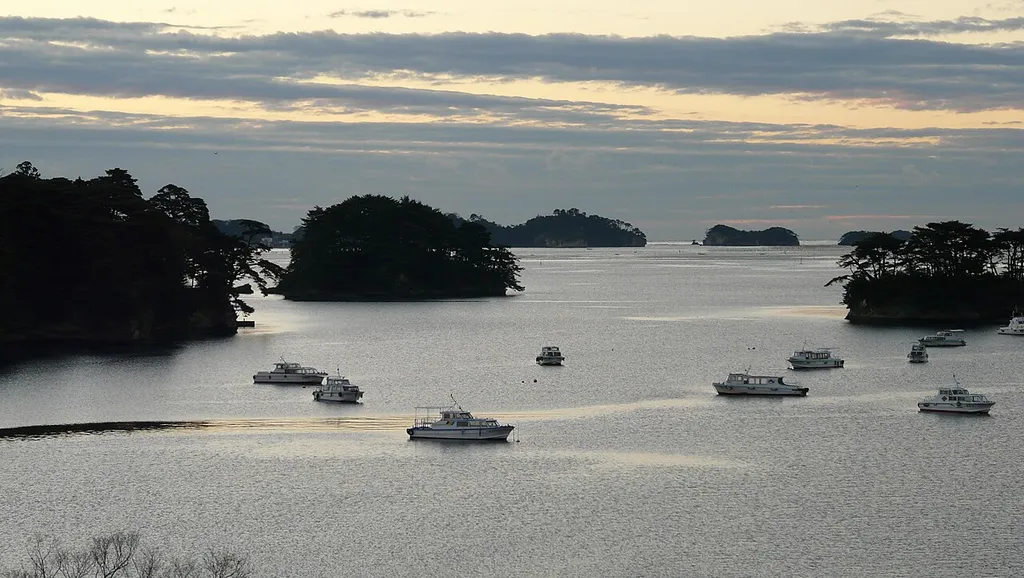 Photo: Chensiyuan CC BY-SA 4.0 · cropped
This page contains affiliate links
Quick comparison
| Option | Best for | Trade-off |
|---|---|---|
| Matsushima | A flexible temple-and-waterfront visit, with a shorter version. | A cruise needs extra time and suitable conditions; individual attractions have different access constraints. |
| Yamadera | A temple visit where the substantial climb is part of the attraction. | The upper route has many stone steps. A shorter visit is a different experience; a step-free day needs another plan. |
| Akiu Onsen | A slower day built around a confirmed bath, nature stop or cultural visit. | Choose the actual facility and return bus first. Akiu Otaki needs a separate transport decision from Yumoto. |
| Zao | A specific mountain attraction in its operating season. | Zao Onsen and Okama use different access. Weather, transfers and seasonal services can change the whole plan. |
On this page
Choose the day you want
For a flexible first excursion, our suggested starting point is Matsushima. Choose Yamadera when the temple climb is part of what you want from the day. Choose Akiu when you have a particular bath or local stop in mind. Treat Zao as a separate, date-specific plan rather than a last-minute substitute.
Your return time, willingness to climb and travel month matter more than fitting all four into one holiday. Keep one main destination per day as a starting point for an unhurried trip.
Matsushima: a half day that can grow into a full day
Matsushima gives you a useful choice between a temple-and-waterfront visit and a longer outing with a boat trip. You do not have to make a cruise the centre of the day.
For the central waterfront, look for Matsushima-Kaigan Station on the JR Senseki Line. It is not the same station as Matsushima on the Tohoku Main Line. The local tourism association describes the Senseki journey from Sendai as about 40 minutes; check the actual departure and fare for your date. [1]
Start with a timed attraction, then leave the waterfront walk, a meal and an optional cruise flexible. Zuiganji’s closing time varies by month, and admission ends before closing. That makes a morning or early-afternoon temple visit a more forgiving starting point. [2]
Choose this when: you would like a coastal excursion with an easy-to-understand core plan.
Adjust it when: you have a fixed return time, poor visibility or limited walking tolerance. Keep fewer stops rather than rushing the same long route. A compact central area does not mean every temple, bridge or boat is step-free.
Next step: Follow the Matsushima half-day itinerary: temple first, time by the bay, cruise optional.
If you would rather have the temples and bay interpreted by a guide, browse the separately operated options. Check each live listing for availability, language, meeting point, inclusions and cancellation terms.
Browse Matsushima toursThis is an affiliate link. If you book through it, the site may earn a commission.
Yamadera: make the climb a deliberate choice
Yamadera is the better fit when you are looking forward to the uphill part, not simply accepting it as the price of a photograph. The tourism association lists access from Sendai by the JR Senzan Line; the actual service you take determines the journey time. [3]
Our suggested plan is simple: arrive with sufficient daylight, visit at a comfortable pace, have a break and return. Do not add a second distant destination until the main visit and return transport are settled.
The upper temple route involves many stone steps. Check the association’s visitor information and local conditions before committing to it. A visitor who does not climb the whole route has made a different visit—not a failed one. [4]
Choose this when: a temple visit and physical activity are both part of the attraction.
Choose a different plan when: the group needs a reliably step-free day or does not want a sustained climb. A sunny forecast is not a substitute for checking the actual route conditions.
Next step: Check the Yamadera train, climb and seasonal notes.
If the climb works for you but you want the temple context explained, this is a separately operated guided alternative. Check the live listing rather than relying on this article for availability or booking conditions.
See the guided Yamadera optionThis is an affiliate link. If you book through it, the site may earn a commission.
Akiu: choose your main stop before you choose the bus
The local visitor centre provides information on Akiu’s nature, local stops and day-use bathing facilities. Choose the experience that interests you before planning the transport. [5]
For a short car-free visit, our recommendation is to build the day around one confirmed main stop. For example, select a day-use bath that accepts visitors on your date, then decide what else fits nearby. Confirm its own admission conditions, hours and any reservation requirement.
Treat a visit to Akiu Otaki as a separate transport decision. Do not assume that a journey to the hot-spring area automatically delivers you to every attraction carrying the Akiu name. Use the route guide and current operator information for your actual endpoint.
Choose this when: you want a slower day and are happy to plan around a particular facility.
Adjust it when: you are not interested in bathing. Select a specific nature or cultural stop first rather than following an onsen itinerary that does not suit you.
Next step: Check the Akiu stops, transport and day-use planning notes.
Zao: name the attraction before planning the journey
“Zao” is not a sufficiently precise destination for a transport search. A visit to Zao Onsen and its ropeway is not the same itinerary as a visit to Okama via the Miyagi-side mountain road. The ropeway and the Echo Line have separate operating information. [6][7]
Start with the attraction, then check the date, access and operating status. Only after that should you decide whether the trip fits into a day from Sendai.
Seasonal services, transfers and the final attraction change the practical journey time. Check each route before deciding whether it fits your day.
Choose this when: you have a specific mountain experience in mind and can accept weather-related changes.
Keep a backup when: access or the attraction depends on conditions. A previous winter’s bus timetable is not confirmation for the coming winter.
Next step: Choose the appropriate Zao route and season.
Choose a small itinerary
Use the Matsushima half-day itinerary for a temple-first coastal outing with an optional cruise. For a day inside the city, use the car-free Sendai itinerary.
Compare transport after choosing the destination
Decide what you want to do first. Then compare individual fares with any pass you are eligible to use.
A pass should be assessed against the specific transport segments and dates in your plan—not the broad destination name. A saving on transport also does not remove admission charges or guarantee a seat, a bath or an operating ropeway.
Use the Pass Checker for supported comparisons. Read any incomplete-result notice rather than interpreting missing information as a free journey.
Turn one choice into a usable plan
Once you have chosen a destination, keep the plan small: the main stop, transport checks, an optional extra and a fallback. The Trip Board can hold the supported parts of that decision.
An optional extra should be easy to drop. That is what makes the itinerary useful when the train is busy, lunch takes longer or the weather changes.
Official sources
- Matsushima Tourism Association — access
- Zuiganji — visitor information
- Yamadera Tourism Association — access
- Yamadera Tourism Association — visitor information
- Akiu Sato Center — visitor information and day-use bathing
- Zao Ropeway — operator website
- Zao Town Tourism Association — Echo Line
Visitor and operator pages above were reviewed on 3 October 2026. Shared transport facts keep their individual source dates. Visit order is editorial planning advice.
Turn the comparison into a day-trip plan
Start with one small itinerary, then add a destination and your dates to compare supported transport.
Common questions
Which day trip is a flexible first choice?
Can I make a shorter visit to Yamadera?
Should I buy a pass before choosing the destination?
- #itinerary
- #matsushima
- #yamadera
- #akiu
- #zao
Checked on 2 August 2026 against JR East fare revision, 14 March 2026. Check the official source linked on this page before you travel. How we handle data is explained in the accuracy policy.