Sendai souvenirs: what travels, and the tax-free change on 1 November
Buy the sweets last and the crafts whenever you like. Hagi no Tsuki and the boxed zunda mochi keep around two weeks at room temperature, sasa-kamaboko needs a fridge and lasts about a week, and packaged gyutan is a meat product that your home country may not admit. From purchases on 1 November 2026, tax-free shopping means paying the full price and getting the tax back only after customs confirms you still hold everything on the receipt.
The short answer
For most visitors the tax-free question is smaller than it looks: a single box of sweets does not reach the ¥5,000 minimum. Where it does apply, keep anything you plan to eat in Japan on a separate, taxed receipt, and leave time at your last airport before you check your bags.
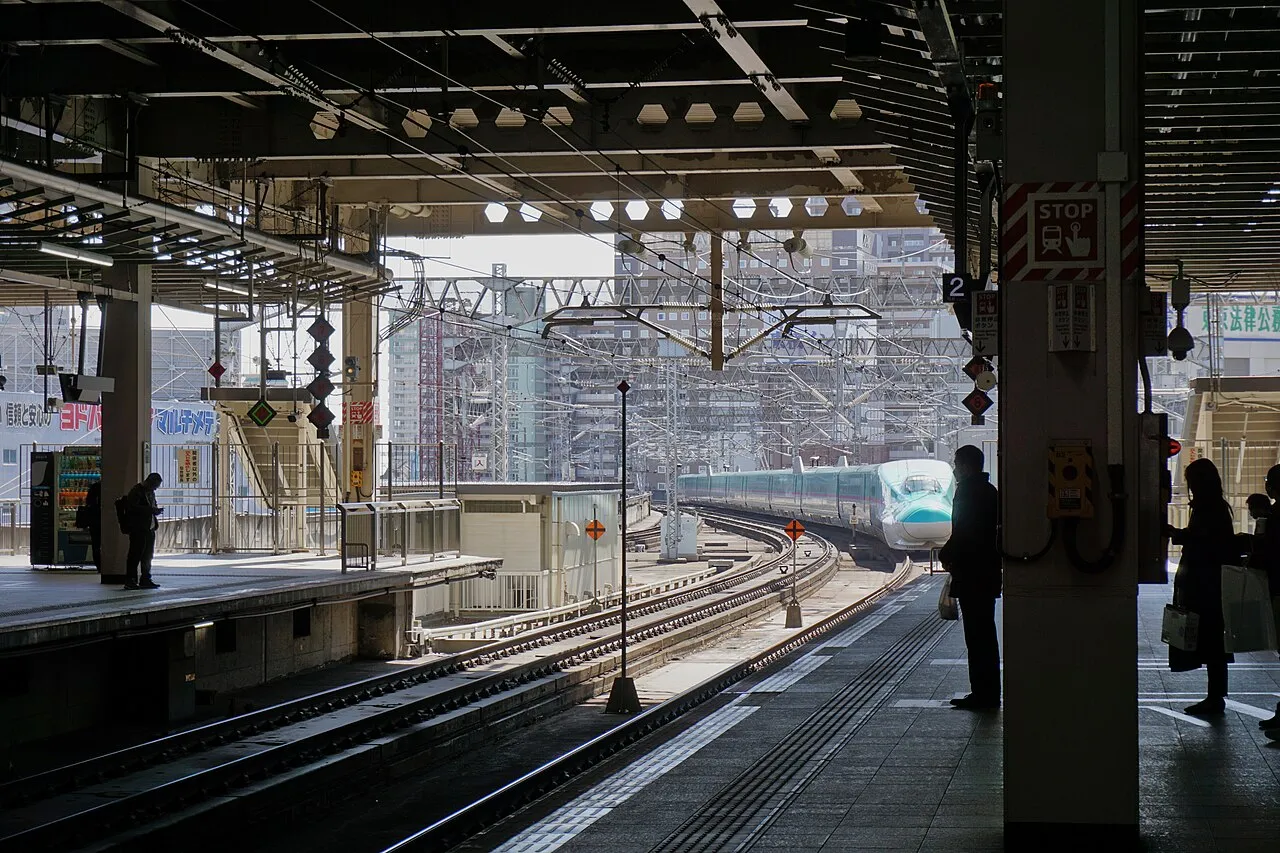
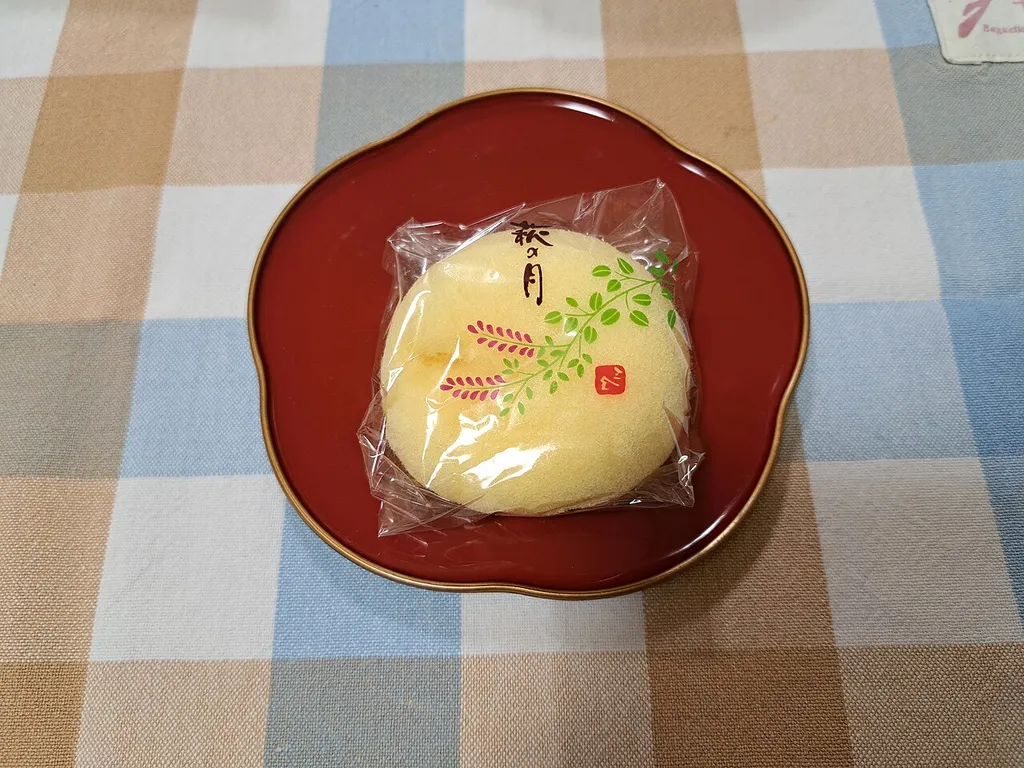 Photo: RuinDig/Yuki Uchida (2024) CC BY 4.0 · cropped
Quick comparison
| Option | Best for | Trade-off |
|---|---|---|
| Hagi no Tsuki | The default box of sweets. Custard cream in sponge cake, kept at room temperature, 14 days from dispatch on the maker's shop. | Soft, and wants a cool place out of the sun. ¥2,120 for eight on the maker's online shop. |
| Boxed zunda mochi | Taking the edamame sweet home. Zunda Saryo sells a version made to be carried at room temperature, 12 days from dispatch. | The date on the box governs. ¥1,200 for eight on the maker's online shop. |
| Sasa-kamaboko | A savoury gift for someone you will see within the week. | Must be kept at 1 to 10°C and lasts about a week, by one maker's own label. Not for a long journey without a fridge. |
| Kokeshi and lacquerware | Anything that has to survive a long trip. No date and no fridge. | We did not survey shops or prices. Sizes and makers vary widely. |
| Packaged gyutan | Travel within Japan, or to a country you have confirmed accepts it. | A meat product. Japan's quarantine service tells travellers to check the destination's rules and whether a certificate is needed. |
On this page
Two questions decide what to bring home from Sendai. The first is whether it will still be good when you arrive. The second, from November, is whether you intend to eat any of it before you leave Japan. This page takes them in that order. It names makers because the facts come from their own labels, not because we rank them; we did not taste-test anything.
What actually travels
Hagi no Tsuki. Custard cream wrapped in soft castella sponge, made by Kasho Sanzen. The maker’s online shop gives a shelf life of 14 days including the day of dispatch, stored somewhere cool and out of direct sunlight, and sells a box of eight for ¥2,120 including tax (Kasho Sanzen online shop, checked 3 October 2026). Shop prices and the date on a box bought at the station may differ, so read the label.
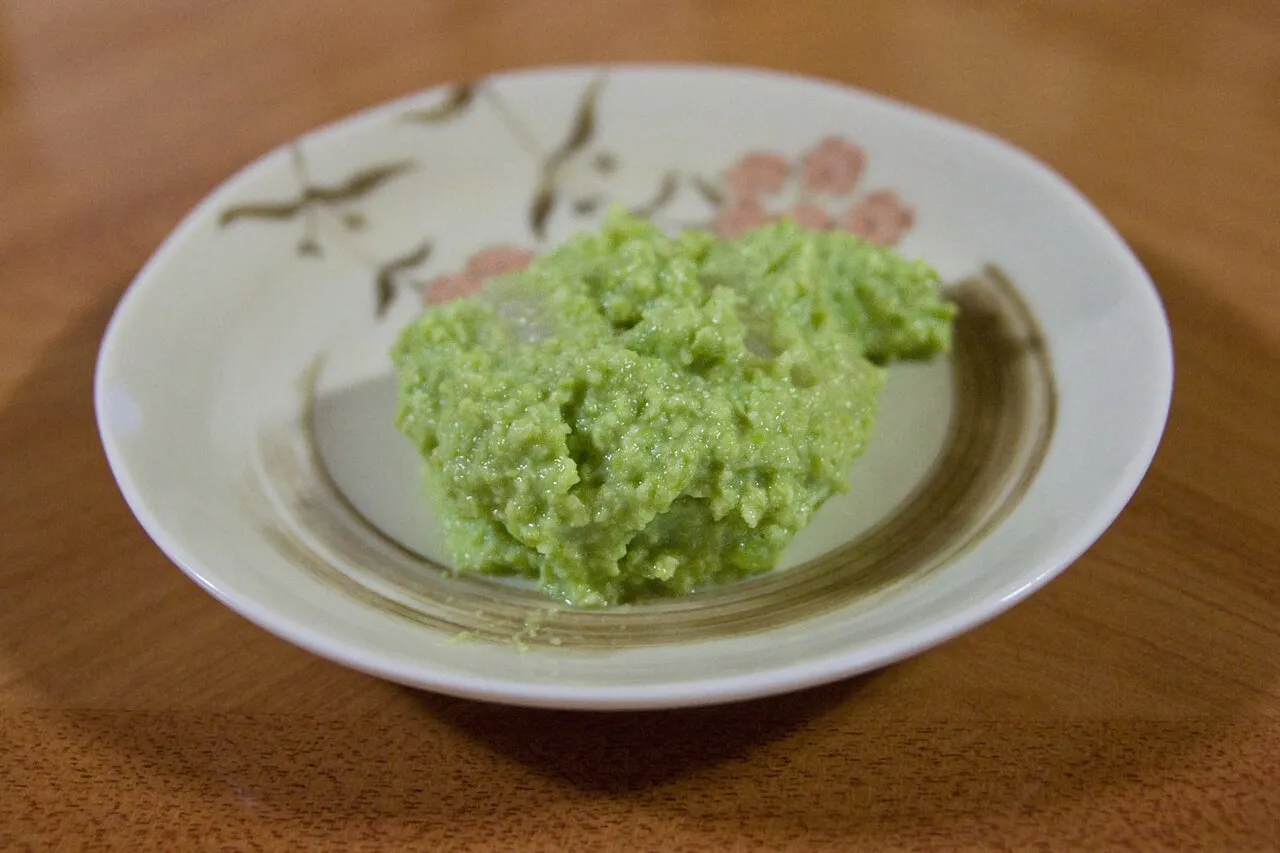
Zunda mochi, the boxed kind. Zunda is the sweet edamame paste explained in what Sendai is known for eating. Zunda Saryo sells a boxed zunda mochi that it describes as made to be carried at room temperature, with 12 days from dispatch and a price of ¥1,200 for eight (Kasho Sanzen online shop, Zunda Saryo, checked 3 October 2026).
Sasa-kamaboko. The grilled fish cake is the fragile one. Abe Kamaboko-ten labels its five-piece pack as needing refrigeration at 1 to 10°C, with about a week from the day of delivery (Abe Kamaboko-ten, checked 3 October 2026). That is fine for a Shinkansen back to Tokyo and a poor fit for two more weeks of travel.
Kokeshi. Miyagi Traditional Kokeshi has been a nationally designated traditional craft since 22 June 1981, made in Sendai, Shiroishi, Zao Town and Osaki (Miyagi Prefecture, list of traditional crafts, checked 3 October 2026). The regional trade bureau names five lineages: Naruko, Togatta, Yajiro, Sakunami and Hijiori (Tohoku Bureau of Economy, Trade and Industry, checked 3 October 2026). A wooden doll has no date on it and does not mind a suitcase.
Tamamushi-nuri. A lacquer finish named for its resemblance to the sheen of a jewel beetle’s wing, developed in 1932 and designated a prefectural traditional craft on 22 May 1985 (Miyagi Prefecture, Tamamushi-nuri, checked 3 October 2026). The same prefectural list includes Sendai tansu chests, nationally designated in 2015, which is worth knowing about and not worth trying to carry.
Packaged gyutan. See the section on meat below before you buy it for anyone abroad.
Where the station sells them
S-PAL Sendai, the shopping complex at the station, lists 69 shops on its own souvenir page: 48 on basement floor 1 of the main building and 21 on floor 2 of the east building. They include Kasho Sanzen, Zunda Saryo, Abe Kamaboko-ten and two gyutan names (S-PAL Sendai, souvenirs, checked 3 October 2026).
Every one of those 69 listings shows the same hours: 10:00 to 20:00 from Sunday to Thursday, and 10:00 to 21:00 on Friday and Saturday. If your train leaves after eight on a weeknight, the shopping has to happen before dinner, not after.
We did not check kiosks inside the ticket gates or shops at Sendai Airport.
Tax-free shopping changes on 1 November 2026
Until the end of October 2026, an eligible visitor pays the tax-free price at the till. For purchases made from 1 November 2026, Japan moves to a refund system. Everything in this section is from the Japan Tourism Agency’s page for travellers (Japan Tourism Agency, checked 3 October 2026).
What changes at the shop. You pay the price including tax. The purchases must total at least ¥5,000 before tax at the same shop on the same day. The sealed special packaging for consumables is abolished.
What you do when leaving Japan. Within 90 days of the purchase, you show your passport at a tax-free terminal at the airport or port. The screen tells you whether customs wants to see the goods. Green means you are finished; red means you take them to the inspection point.
Where and when. The terminals and the inspection point are in the international departure lobby, before bag drop. You must be holding every tax-free item when you do it. It cannot be done after your bags are checked, and a checked bag cannot be called back for it. The agency also warns that neither customs nor the airline compensates a traveller who misses a flight because the procedure ran late.
Who pays the refund. Not customs. The shop, or a refund company it uses, returns the tax after customs confirms the export. The agency’s advice is to ask the shop how.
The two rules that matter for food. Customs confirms one receipt at a time, and if any single item on a receipt is missing, nothing on that receipt is confirmed. And consumables such as food, drink and cosmetics that have been used up in Japan cannot be confirmed at all. If you have already eaten part of a tax-free purchase, the agency says to tell a customs officer instead of using the terminal.
In practice: decide at the counter which boxes are going home unopened, and pay for the rest separately.
The deals page carries a short notice of the same change through October.
Meat is a separate question
Gyutan is beef tongue, and packaged gyutan is a meat product. Japan’s Animal Quarantine Service says meat products taken out of Japan are subject to export inspection when the destination country requires a certificate, and tells travellers to ask the destination’s embassy or quarantine authority two things in advance: whether the product can be brought in, and what certificate is needed (Animal Quarantine Service, checked 3 October 2026). Some countries have suspended imports altogether. Where a certificate is needed, the inspection is arranged with the quarantine office at your departure airport, and the service asks travellers to make contact early.
The one exception it lists is Singapore: since 12 May 2025, beef and beef products of up to 5 kg carried for personal use need no inspection by the service.
This is the destination’s rule, not Japan’s, so we cannot tell you whether your country accepts it. If you have not checked, buy it for someone in Japan.
What we did not check
- Which shops are registered tax-free shops. Ask before you count on it.
- Prices and dates on the shelf. The figures above are from makers’ online shops on one day.
- Alcohol. Miyagi sake is an obvious souvenir. We did not verify airline liquid rules or duty allowances and say nothing about them here.
- Airport and in-station kiosks. Only the S-PAL listing was read.
Common questions
If I eat some of the tax-free sweets before I leave Japan, do I lose the refund?
I fly home from Tokyo, not Sendai. Where do I do the customs step?
Do souvenir sweets even qualify as tax-free?
- #shopping
- #souvenirs
- #tax-free
- #hagi-no-tsuki
- #zunda
- #kokeshi
Checked on 3 October 2026 against Japan Tourism Agency, tax-free refund system page for travellers. Check the official source linked on this page before you travel. How we handle data is explained in the accuracy policy.